 by
by Gail Porter Named UK Ambassador by World Animal Protection to Fight Dolphin Captivity and Factory Farming
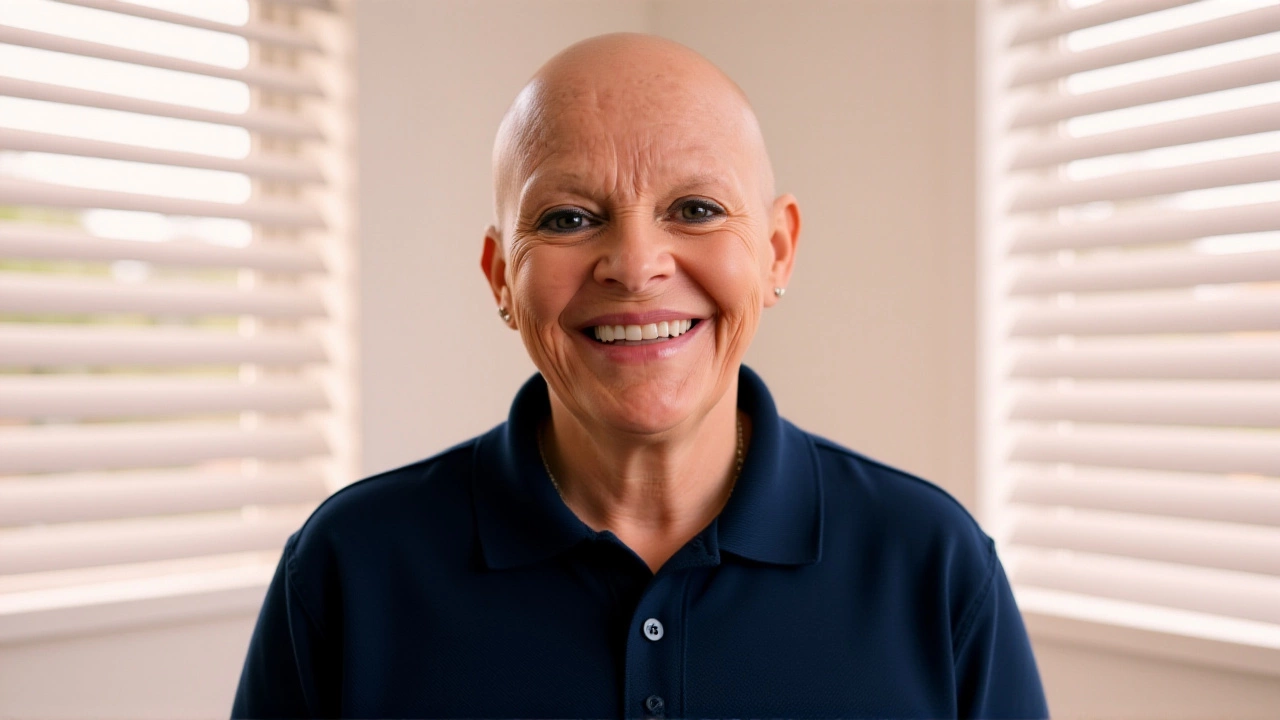
25 Nov, 2025When Gail Elizabeth Porter stepped onto the stage at the BAFTAs in 2020, no one could have guessed that her next big role wouldn’t be on TV—but in the fight for animals. In August 2025, the World Animal Protection officially named the award-winning broadcaster and lifelong animal advocate as their new UK Ambassador. The announcement, first shared through Essex Magazine and simultaneously posted on the charity’s Bluesky profile and website, wasn’t just a PR move. It was the culmination of years of quiet, passionate work—and a signal that the fight against animal cruelty is gaining celebrity firepower.
Why This Matters Now
It’s no secret that public attention to animal welfare has surged in recent years. But while campaigns against plastic straws and fur coats made headlines, the brutal reality of factory farming and dolphin captivity in tourist resorts has largely stayed hidden. That’s where Porter comes in. She’s not just lending her name—she’s bringing her voice, her story, and her credibility. Gail Elizabeth Porter, who rose to fame in the 1990s presenting shows on Channel 4 and the BBC, has spent over a decade quietly supporting animal causes. She’s visited pig farms undercover. She’s stood outside dolphinariums holding signs. She’s even named a rescued bear in Romania—though that was with Alesha Dixon, another ambassador. Now, she’s stepping into the spotlight to demand change."Animals don’t have a voice—but I do," she said in a statement. "I believe in a world where no animal suffers or experiences cruelty and where they are treated with kindness and respect." It’s not a slogan. It’s a personal mission. Porter, who lives in London but keeps a home in Edinburgh, has been open about her own struggles with homelessness and mental health. She’s been sectioned under the Mental Health Act. She’s known what it’s like to be invisible. And she sees the same silence in the lives of factory-farmed chickens, crammed into sheds so tight they can’t turn around. "It’s not just about animals," she told Vet Times. "It’s about who we are as a society."
The Campaigns She’s Already Fighting
World Animal Protection didn’t pick Porter randomly. They’ve watched her for years. Her advocacy against dolphin captivity in tourist hotspots like Lanzarote and Tenerife isn’t new. She’s appeared in undercover footage showing dolphins spinning in circles in concrete pools, their dorsal fins bent from stress. She’s called out companies that profit from "swim-with-dolphins" experiences—where these intelligent, social creatures are ripped from the wild, separated from their pods, and forced to perform for tips.And then there’s factory farming. The charity estimates over 800 million farmed animals suffer in the UK alone each year under conditions so extreme, even the EU has banned some practices. But Britain still allows overcrowded poultry sheds, sow stalls, and live transport lasting over 20 hours. Porter has visited these facilities with investigators. She’s seen pigs with infected wounds, chickens with broken legs, and calves separated from their mothers within hours of birth. "They’re not products," she said. "They’re sentient beings."
Who Else Is in the Room?
Porter isn’t the first celebrity to join World Animal Protection. Since 2012, singer and TV presenter Alesha Dixon has been a cornerstone of their UK outreach. Dixon helped rescue two bears from illegal captivity in Romania’s Libearty Sanctuary, even naming one Tariku—"he has a story to tell." Meanwhile, influencer Chloe K has spent years working with shelters in Marrakesh and promoting conservation volunteering in South Africa’s Limpopo Province.But Porter’s background is different. She’s not just a celebrity. She’s been through the system. She’s been homeless. She’s been in psychiatric care. That’s why she’s also an ambassador for StreetVet, the UK charity that provides free veterinary care to pets of people without homes. "I’ve been famous, I’ve been homeless, and I’ve been sectioned," she said in a now-famous quote. "I know what it’s like to be forgotten. Animals don’t get a second chance if we look away."
What Happens Next?
The charity says Porter’s first major campaign will launch in October 2025, targeting the UK government’s failure to ban dolphin entertainment venues. Currently, 11 such facilities operate in the UK—six of them in seaside resorts. None are regulated under the Animal Welfare Act. Porter will appear on BBC’s Question Time, speak at the House of Commons, and launch a viral social media campaign using #FreeTheDolphins.Simultaneously, she’ll join forces with farmers’ unions and animal scientists to push for the end of intensive pig and chicken farming. The goal? A 50% reduction in factory-farmed animals by 2030. The charity has already gathered over 1.2 million signatures on a petition demanding stricter welfare standards. Porter will deliver those petitions to Downing Street in December.
"Animals need all of us," said Ruth Tanner, UK Country Director of World Animal Protection. "Not just the people who already care. The people who’ve never thought about it. That’s Gail’s power. She makes you listen."
The Bigger Picture
This isn’t just about one celebrity. It’s about the quiet shift in public consciousness. When a woman who’s been on the edge of society speaks up for animals on the edge of extinction, it changes the conversation. It’s not about pity. It’s about justice.And the stakes are higher than ever. The UN estimates that 60% of global biodiversity loss is driven by industrial farming. Climate scientists link animal agriculture to 14.5% of global greenhouse gas emissions. The UK’s own Environment Agency warns that factory farms are polluting rivers with antibiotic-resistant bacteria. This isn’t just about cruelty. It’s about survival.
Frequently Asked Questions
What specific actions will Gail Porter take as UK Ambassador?
Gail Porter will lead media campaigns targeting dolphin captivity in UK tourist resorts and intensify pressure on Parliament to reform factory farming laws. She’ll appear on national TV, deliver petitions to Downing Street, and partner with scientists to publish data on animal suffering in industrial systems. Her first major initiative launches in October 2025 with a viral #FreeTheDolphins campaign.
How long has Gail Porter been involved with animal welfare?
Porter has supported animal causes for over 15 years, long before her 2025 ambassadorship. She’s visited undercover farm inspections, campaigned against dolphin shows since 2018, and volunteered with StreetVet since 2021. Her advocacy predates her formal role, making her appointment a recognition of sustained commitment—not a new celebrity endorsement.
Why is factory farming such a critical issue in the UK?
The UK farms over 800 million animals annually in intensive systems, with chickens packed at 35 birds per square meter and pigs confined in crates so small they can’t turn. These practices are legal but violate the EU’s animal welfare codes. The UK government has delayed banning sow stalls and beak trimming, despite public support for reform. Porter’s campaign aims to force legislative change before 2030.
How does Gail Porter’s personal history connect to her animal advocacy?
Porter has spoken openly about her experiences with homelessness and mental health, including being sectioned under the Mental Health Act. She sees parallels between societal neglect of vulnerable humans and the systemic abuse of animals. As an ambassador for StreetVet, she’s witnessed how pets provide emotional stability to people without homes—making her advocacy deeply personal, not performative.
What’s the difference between World Animal Protection and other animal charities?
Unlike charities focused on pet adoption or wildlife rescue, World Animal Protection targets systemic cruelty: factory farming, wildlife exploitation for tourism, and global trade in animal products. They work with governments and corporations, not just shelters. Their campaigns have led to bans on animal testing in over 40 countries and the closure of dolphin shows in Mexico and Thailand.
Is there evidence that celebrity ambassadors actually change policy?
Yes. Alesha Dixon’s involvement helped secure funding for Romania’s Libearty Sanctuary. In 2023, a campaign led by UK celebrity ambassadors contributed to the UK government’s decision to ban plastic microbeads in cosmetics. When high-profile voices amplify scientific data and public petitions, policymakers respond. Porter’s media reach and credibility give the charity a powerful platform it hasn’t had before.